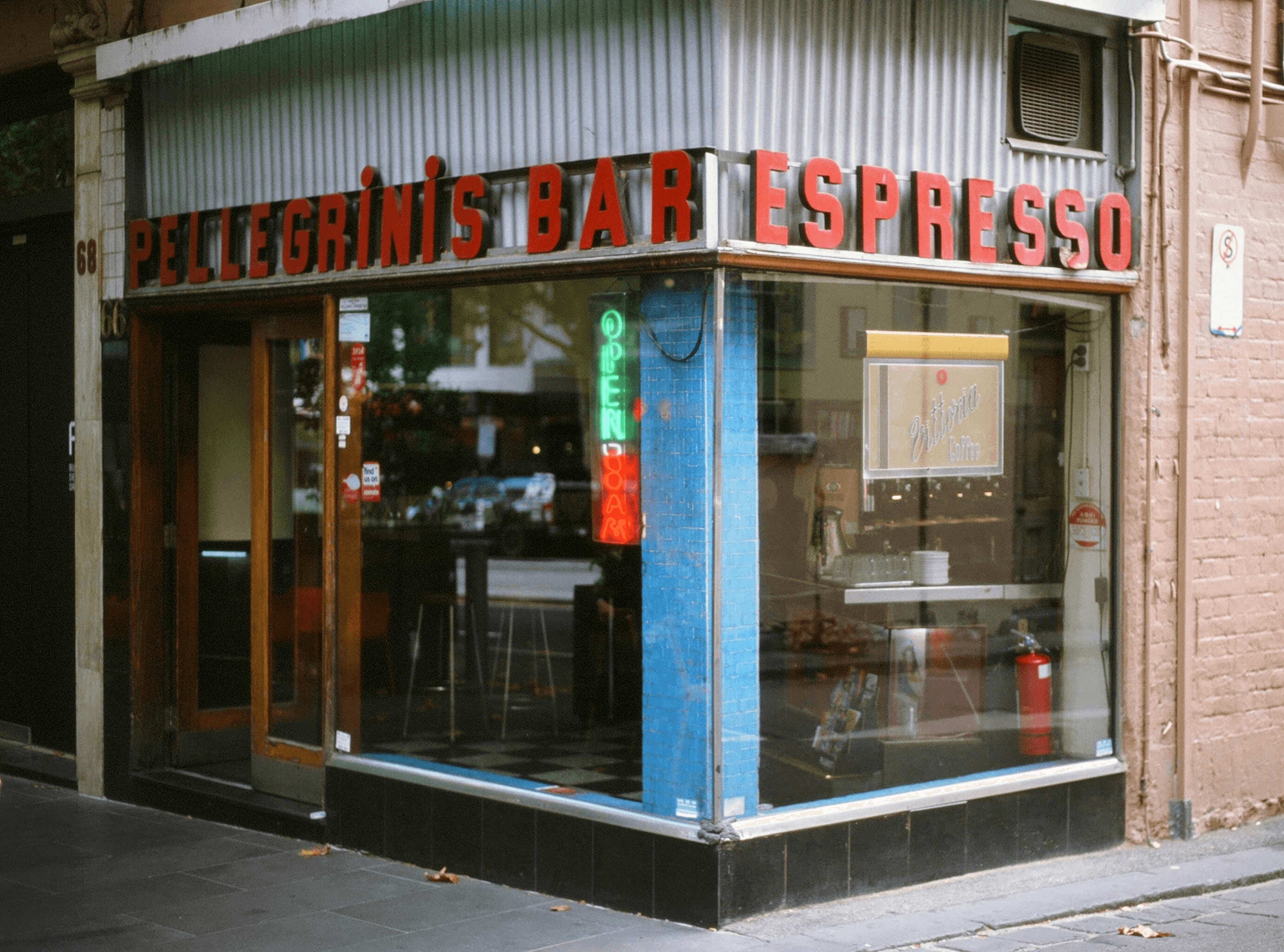
There's a moment, usually around 30 seconds into the trailer, where you just know. Before the title card. Before you've clocked the cast. Something in the colour grade, the pacing, the type choice, the silence between the incredible sound design. It all adds up to a feeling that you instantly recognise.
That was us, watching Midsommar for the first time. We didn't know anything about A24 going into it. We came out the other side thinking ‘what have we just watched?’ and then immediately recommending it to everyone we knew. That's the A24 effect.
A24 was founded in 2012 by Daniel Katz, David Fenkel, and John Hodges. In the years since, it has quietly become one of the most culturally significant production houses in cinema. Not because it makes the most films, or spends the most money, but because it has built something most studios twice its size have never managed to figure out: a genuine point of view.
In 2026 this is worth far more than any marketing budget.
They Made The Logo Mean Something
Ask someone who watches films what A24 means to them and they will give you a feeling. Elevated. Considered. Strange. Human. The kind of film that stays with you and lives in your head for days after.
That's what a brand at its best does. It doesn't describe itself. It makes people feel something specific, consistently, over time. The A24 logo appearing at the start of a film now functions as a quality signal in the same way the Palace triangle or the Carhartt WIP label functions on a garment. You don't need to know the details. You already trust it.
Most studios spend their identity budget on scale. A24 spent theirs on taste.
The Posters…
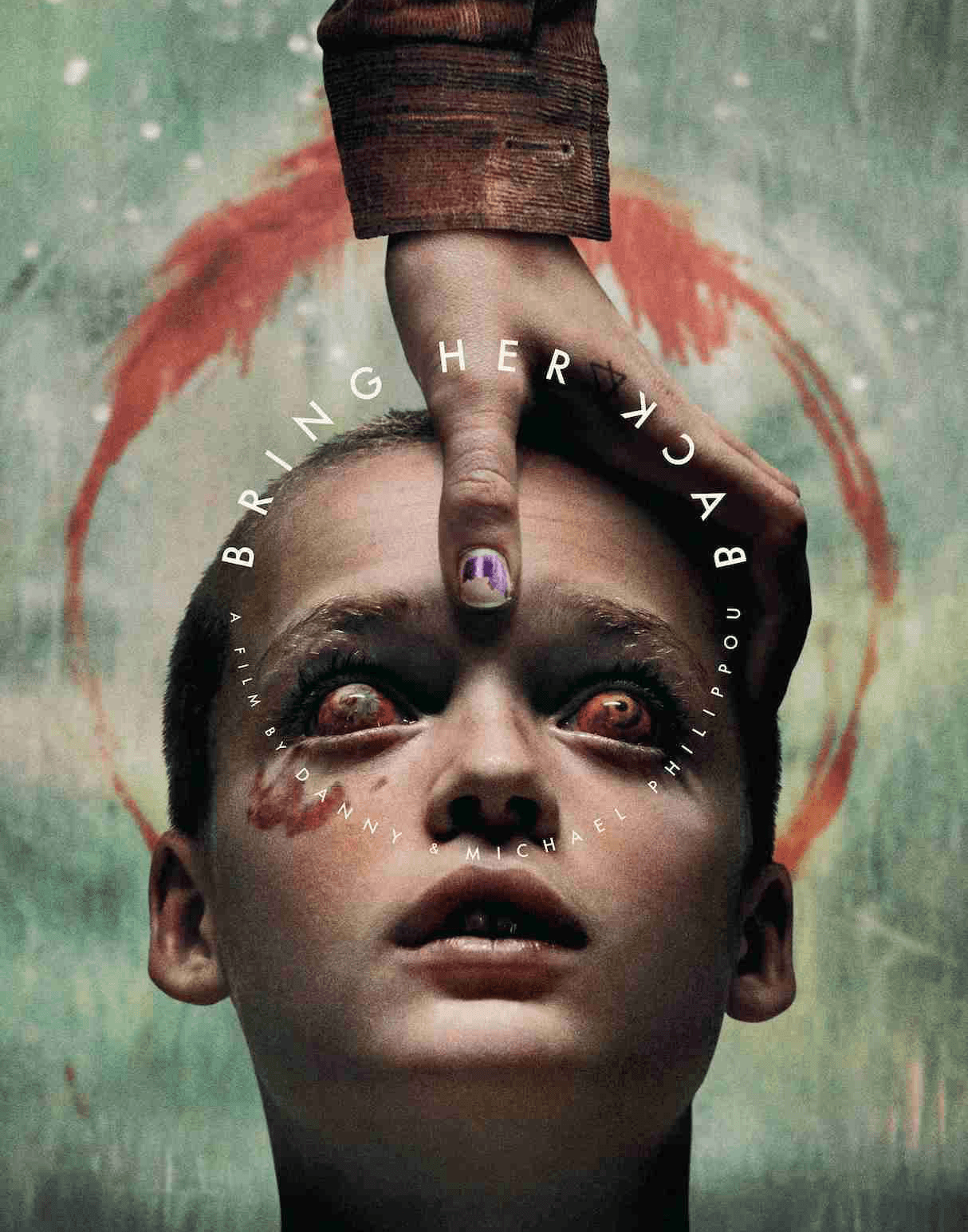
Look at the poster for The Green Knight. Bold yellow typography taking over the frame, a lone figure beneath it that feels like it belongs to a completely different era. Or The Lobster, stark and clinical, a head and hands with nothing in between just white space where a body should be that tells you everything and nothing simultaneously. Or Pearl, somewhere between a vintage Hollywood glamour shot and a genuine fever dream.
Three completely different visual languages. All unmistakably A24.
That's the thing. It's not that A24 has a specific style. It's that every piece of artwork is built around what that specific film is actually trying to say. A24 is commissioning work that functions so well as visual storytelling in its own right.
The result is imagery people save, share, print, and hang on walls. That's not marketing. That's a cultural artefact. And as a design studio, it's honestly the kind of work that makes us just a touch jealous (in the best possible way).
Merchandise That People Actually Want
Most studios treat merchandise as a revenue stream. A24 treats it as a creative extension of the work, and the difference is obvious the moment you look at what they're actually selling.
The screenplay books alone are worth talking about. Beautifully designed, properly considered physical objects that treat the written word behind the film with the same care as the film itself. These aren't mass-produced tie-ins. They're the kind of thing you leave on your coffee table because you genuinely want people to see them.
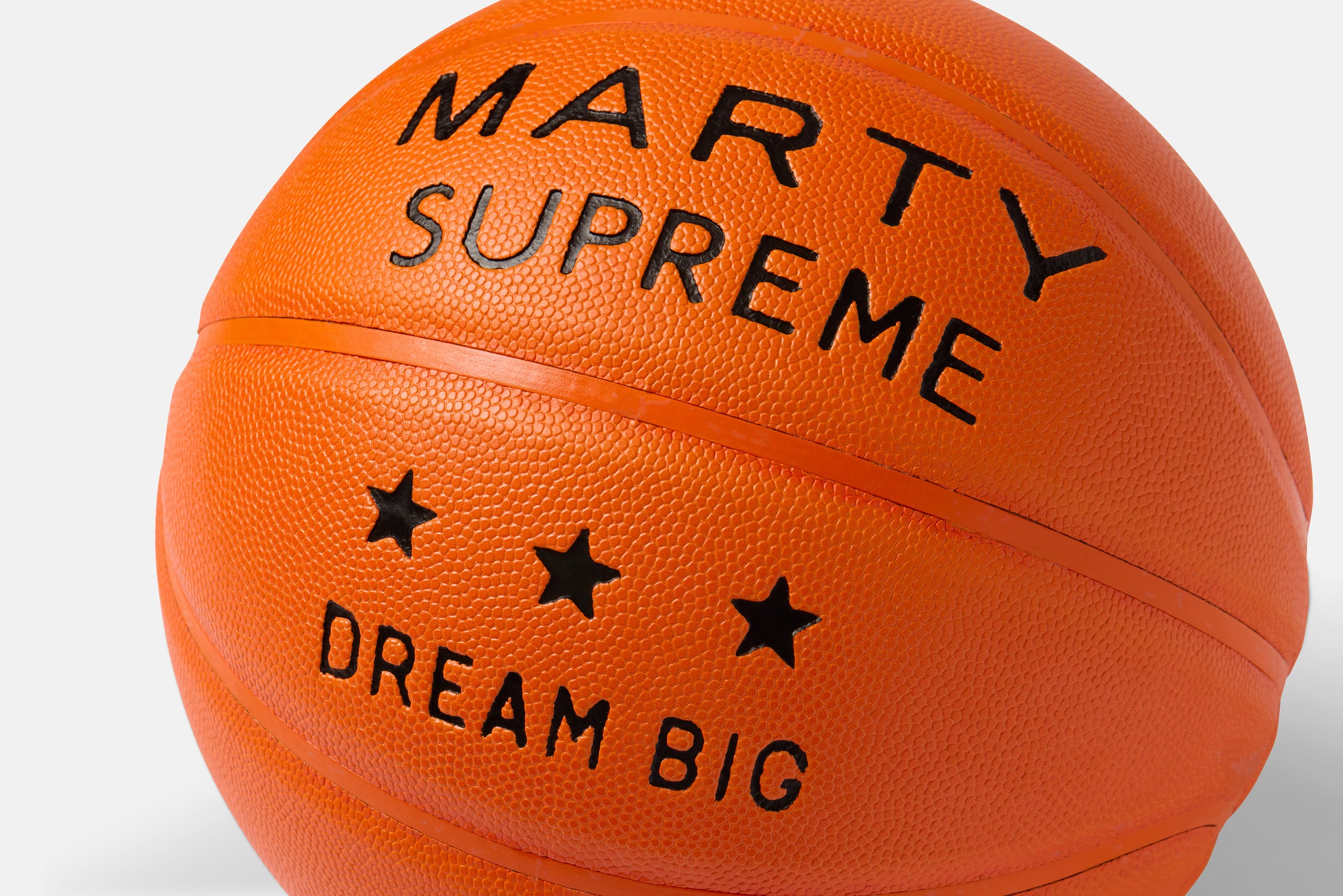
Then there are the collectibles. The Marty Supreme basketball and ping pong table. The Everything Everywhere All At Once Mahjong set. Vinyl soundtracks. Limited edition Blu-Rays. Zines. Posters. Each one designed with real intention, each one tied to a specific world A24 has built. Their AAA24 membership programme wraps all of it into an ecosystem, turning customers into a community of collectors and fans with early access, monthly credits, and exclusive drops.
This is the same logic that drives the best sports merchandise, the best band tees, the best brand collaborations. The product is seen as cultural membership. When you own a piece of it, you're not just saying you liked a film. You're saying something about who you are. That's a very different thing.
A Community, Not An Audience
Most studios talk to audiences. A24 built a community.
Their social media presence doesn't feel like a marketing department. It feels like it's run by someone who genuinely loves film, knows the references, understands the humour, and actually respects the intelligence of the people following along.
And then there's the A24 Podcast. It doesn't feel like a studio product. It feels like being let into a room where interesting people are actually talking about things they are super passionate about.
They Back A Vision, Every Time
At the core of everything A24 does is a genuine commitment to filmmaker led work. They don't make films by committee. They find people with something specific to say and give them the space to say it.
Ari Aster (Hereditary, Midsommar, Beau Is Afraid). Yorgos Lanthimos (The Lobster, The Killing of a Sacred Deer, Poor Things). Barry Jenkins (Moonlight, If Beale Street Could Talk). Greta Gerwig (Lady Bird). Robert Eggers (The Witch, The Lighthouse). These are directors with unmistakable individual voices, and A24 is the studio that has consistently backed those voices.
From a brand perspective, this matters enormously. A24's identity is partly built from the identities of the people it chooses to work with. Who you collaborate with says as much about your brand as anything you say about yourself.
What Any Brand Can Take From This
A24 didn't become a cultural institution by trying to appeal to everyone. They became one by being extremely specific about what they stand for, who they made work for, and how every touchpoint reflected that position.
That specificity is what makes them mean something. And that's the lesson that goes well beyond films.
The brands that feel most alive right now aren't the loudest ones. They're the ones with the clearest point of view, the most consistent aesthetic, and the deepest understanding of the culture they're operating inside. They're not chasing relevance. They're creating it.
At Nurture, we work with brands that want to build that kind of cultural presence. Identities that feel specific, considered, and genuinely connected to the world they exist in. If that's you, we'd love to talk.
Read more