You know it the moment you see it.
A brand that feels like now versus one that feels like it's been left on the shelf. The gap between the two isn't always to do with budget, company size or even talent, more often than not, it’s because a brand isn’t actually listening.
What makes a brand feel current isn’t how recently it launched, it’s whether it’s in conversation with the world it’s trying to exist in. And right now, that world is moving fast enough that the distance between current and outdated can open up inside a single year.
New doesn’t automatically mean current. We often see a brand that launches with a clean visual identity, a modern typeface, and a recognisable set of references, yet it still feels dated almost immediately. That’s because a brand feeling current isn’t about how recent it is, it’s about relevance.
When visual language is borrowed without understanding what it’s communicating, it loses meaning quickly. Trends applied without context don’t create connection, they create distance and confusion. The result is branding that looks familiar, but doesn’t feel alive or authentic.


Design is often where this shift becomes visible first. When an identity starts to feel out of step, it’s rarely because the typography is objectively wrong or the layout suddenly stopped working. It’s because the visual language no longer reflects the culture the brand is trying to speak to. Good design isn’t just about making something look contemporary, it’s about translating a brand’s position into a visual system that still feels believable in the world around it. When that translation is grounded in real cultural understanding rather than surface level trends, the result doesn’t just look current. It feels relevant for longer.
One of the most obvious signals that a brand is losing relevance is its tone of voice. An outdated brand tends to speak at its audience rather than with them. Outdated brands broadcast, while current brands participate. When a brand is speaking at its audience rather than to it, it shows that the audience has evolved, but that brand hasn’t moved with them.
And we get it, changing a brand identity feels risky, so it stays fixed in place long after it stops reflecting the people it’s meant to connect with. The visual identity sits unchanged because changing it feels like a risk not worth taking, not because it still works. But the brands that feel alive right now share something more specific than good design. They have a clear point of view. You know what they stand for, who they're genuinely made for, and what they’re authentically about. A brand doesn’t become current by appealing to everyone. It becomes current by being specific enough that the right people recognise themselves inside it.
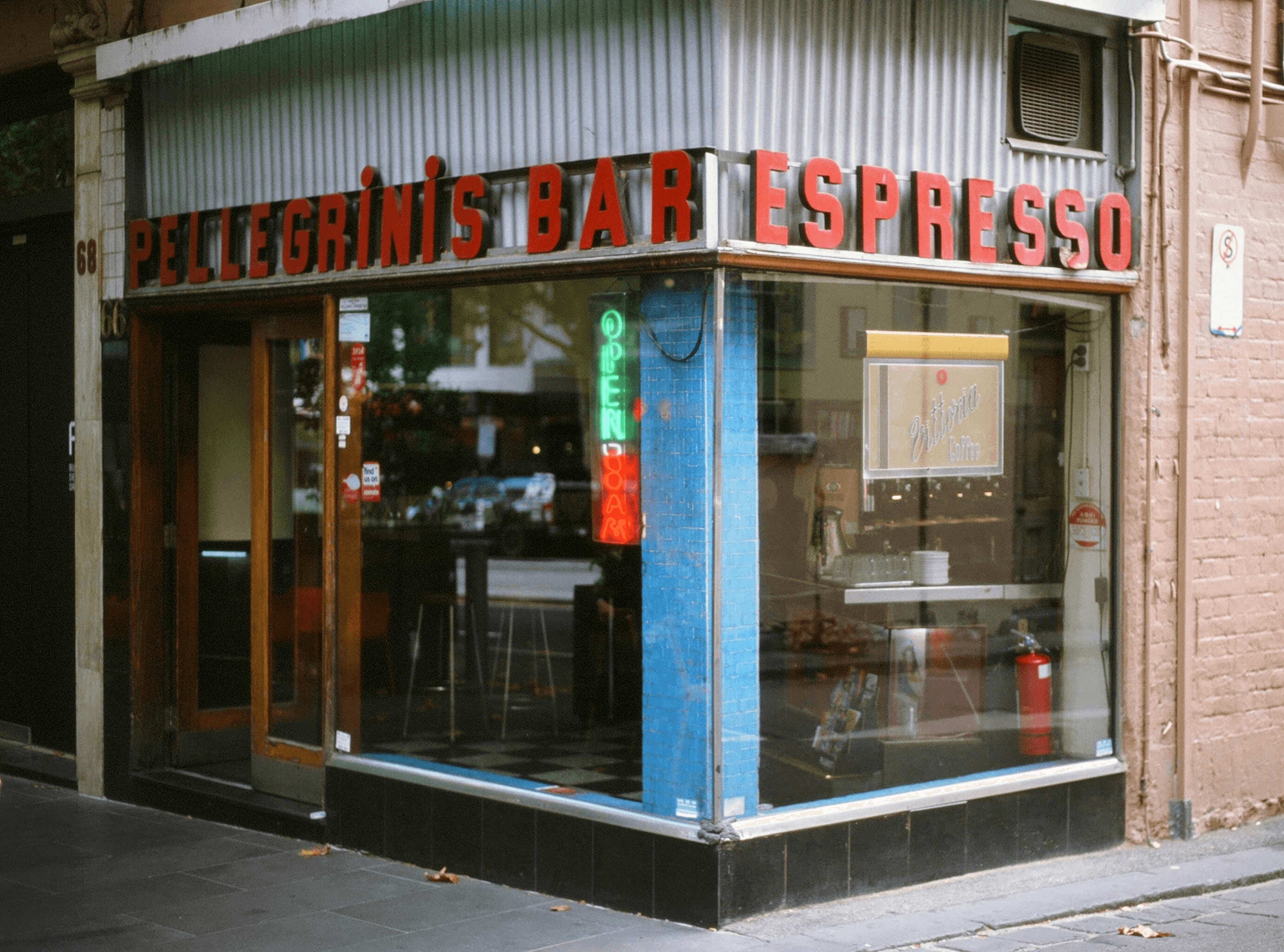
Culture isn’t just happening online. The other quality that defines current brands is their relationship to offline culture. The most compelling visual identities being built right now are drawing from non digital references, like record sleeves, independent publishing, physical environments, scenes and subcultures, and analogue processes. These influences don't read as nostalgic, they read as real. Because they come from places where culture is still being made, not just circulated. Brands grounded in this kind of reference feel more durable because they’re built from meaning rather than aesthetics alone.
Staying current isn’t about refreshing a logo every three years. It's working with people who are genuinely embedded in the culture a brand wants to speak to, not studying it from the outside, but in it. People who understand that a reference matters because of what it means to a particular community, not just because it looks right on a mood board.
The brands driving culture forward aren't chasing relevance. They're creating it, because the people building their visual worlds actually understand the world those brands are trying to live in.
At Nurture, we work with brands that want their identity to feel culturally grounded, specific, and built to last. If that’s the kind of brand you’re building, please get in touch today.
Read more