Here at Nurture, we are big sports fans. From the Super Bowl to the World Cup, Wimbledon to Wrestlemania, we’re watching it all! And believe it or not, we’re also pretty passionate about design too.
In today’s culture, sports teams are no longer just teams. They’re cultural platforms, media brands, communities, and even fashion labels. From a design studio perspective, this shift is one of the most exciting developments happening right now.
For a long time, supporting a sports team was mostly about where you grew up, who your family supports, or the players you enjoyed watching. Your connection to a club was something that lived in stadiums, in the pub, on matchdays, and in the shirt you wore at the weekend.
While that all still exists, it has quietly expanded into something much bigger. Today, many sports teams are becoming cultural platforms with identities that live well beyond sporting events, shaping how people dress, what they share, how they express belonging, and how they connect with others. For younger audiences in particular, these visual cues sit somewhere between fashion and fandom.
As a result, sports identities are being asked to do much more than they used to. They need to work not only in stadium environments but also across social platforms, collaborations, merchandise, and everyday culture. That requires a different way of thinking about branding, one that treats identity as something people live with, rather than something they encounter occasionally.
There's a moment that sums up where sports branding is right now. In 2022, Paris Saint-Germain released a collection with Dior. Not a jersey. Not a scarf. A full ready-to-wear line, stocked in Dior boutiques, worn by people who may never have watched a game in their lives. That's not a football club selling merchandise. That's a cultural institution expanding its territory.
And it's happening everywhere. From Places + Faces x Arsenal to the NBA's ongoing obsession with streetwear drops, sports teams are quietly becoming some of the most compelling lifestyle brands in the world. It's a shift we've had the chance to be part of firsthand, working with the Memphis Grizzlies on a limited collection of streetwear-inspired garments that sat exactly at that intersection of sport and culture.
As culture has begun to move differently, the way that we interact with sports has also changed. Supporters now engage with clubs daily through short form content, such as YouTube videos, collaborations, podcasts, and social media. Their relationship with teams is continuous rather than cyclical, which means the identity surrounding a club needs to feel alive between fixtures and events as well as during them.
Design plays an important role here because it provides the visual continuity that allows a club to remain recognisable while still adapting to different contexts. Typography, colour systems, motion language, and tone of voice all contribute to shaping how a team exists in culture, not just how it appears on a scoreboard. The clubs that understand this tend to communicate something more than performance, they communicate personality.
It’s also noticeable how much the role of merchandise has changed. For a long time, buying club merchandise was mainly about showing loyalty. It was a way of saying who you supported. Increasingly though, merchandise operates closer to fashion than traditional fanwear. Limited releases, collaborations with designers and artists, and more considered approaches to typography and materials have shifted expectations around what club apparel can be.
More clubs are approaching merchandise with the same intentionality you'd expect from a fashion label. Inter Milan's collaborations with Moncler. Juventus's deliberately fashion-forward 2019 rebrand. The San Jose Earthquakes, whose recent visual overhaul borrowed more from independent music labels than traditional sports aesthetics.
People now choose to wear pieces not only because they follow a team but because they genuinely like how those pieces sit within their wardrobe.
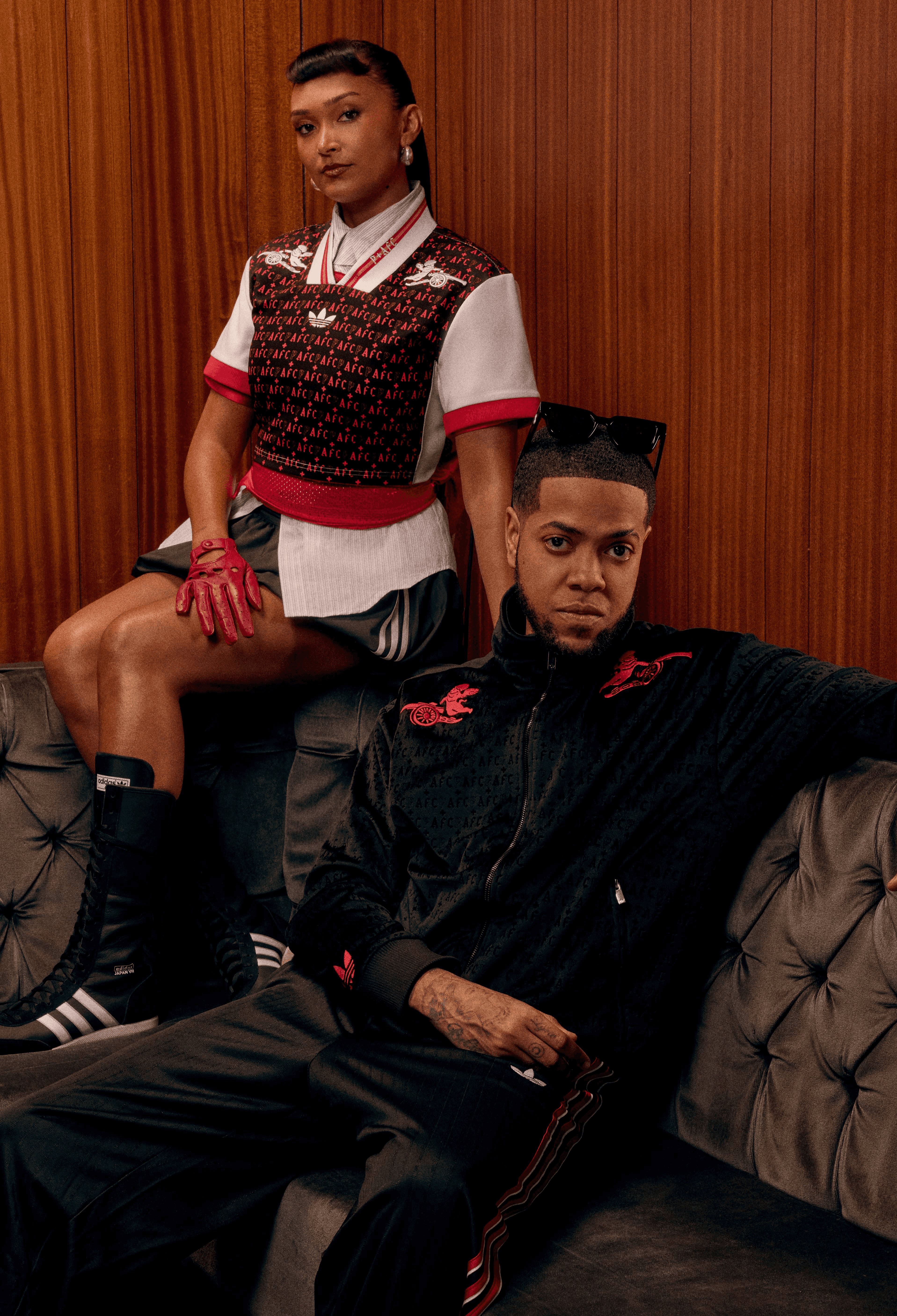
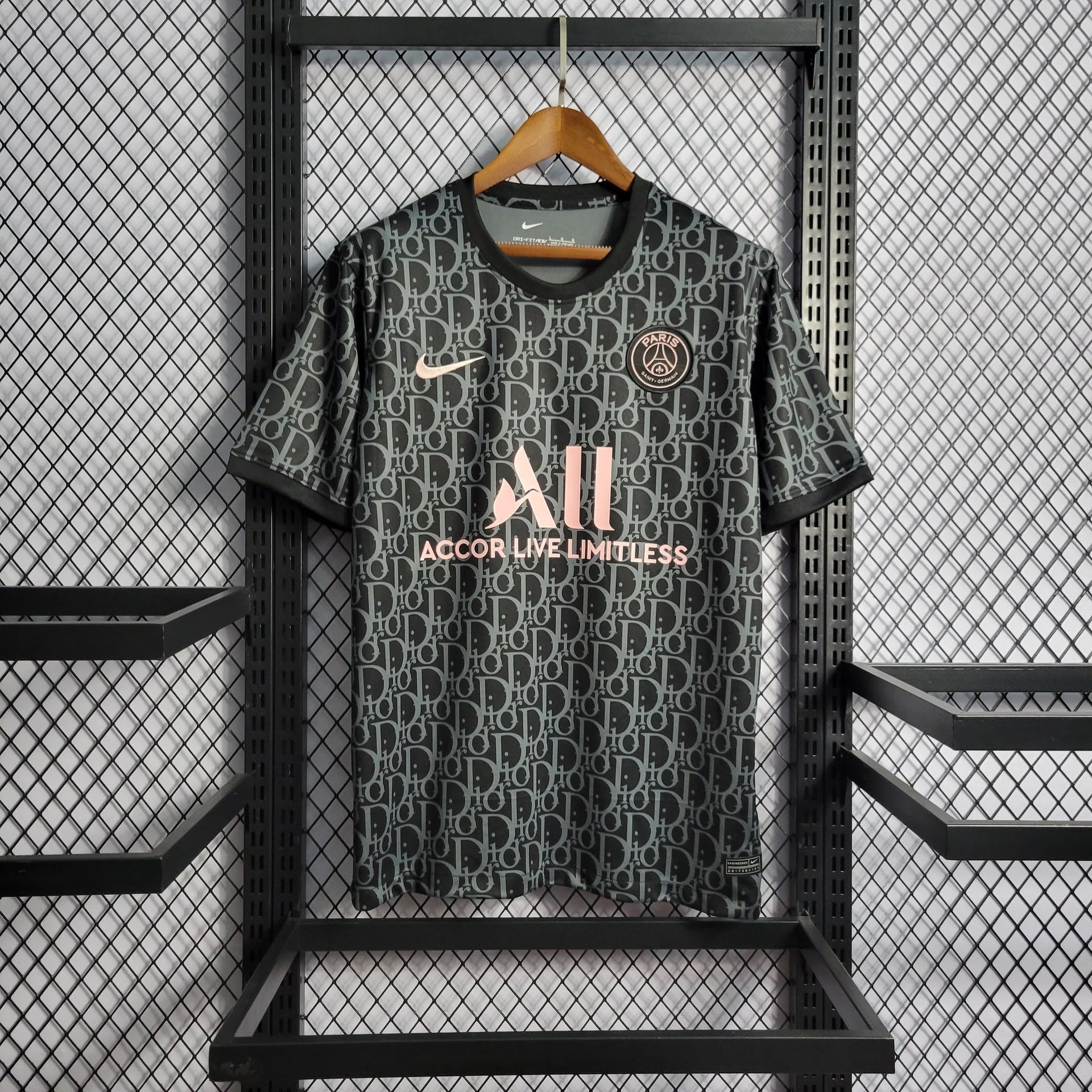
That shift matters because it changes how identity works. When supporters start wearing club graphics outside of matchday contexts, those visuals begin to operate as part of everyday culture rather than remaining inside the sport. This is where branding becomes even more important, because the designs no longer sit within the parameters of the clubs, but belong in the wider world.
Fans have always been at the heart of sport, but digital platforms have made those communities more visible, more connected, and more participatory than they used to be. Supporters are no longer simply audiences reacting to what clubs produce. They contribute to the culture surrounding teams in real time, shaping conversations, aesthetics, and expectations.
More than ever before, fans help to shape the sports and teams they support. Symbols, graphics, typography, and colour all start to operate as shared references that carry meaning beyond the traditions of the sport. When design works well, it strengthens that shared language, shaping it into a culture of its own. Identity is rarely just about appearance, it’s about creating something people feel comfortable belonging to.
As teams begin to operate more like lifestyle brands, their identities need to function across a wider range of environments than they did even ten years ago. They need to feel coherent across social content, physical spaces, collaborations, merchandise, live experiences and digital platforms. They also need to speak to audiences who may engage with a club culturally before they engage with it competitively.
That doesn’t necessarily mean changing everything about how sports branding works. Often it means building branding that is flexible enough to evolve while still feeling recognisable. That kind of flexibility is what allows an identity to stay relevant over time. It creates space for experimentation without losing clarity, and it helps organisations move comfortably between sport, culture, and community.
Of course the sport and teams themselves will always take the priority and matter the most to fans. Winning will always matter, and results shape reputation and history in ways nothing else can. But increasingly, the teams that feel most culturally present are the ones thinking carefully about how they exist outside competition as well as within it. They understand that identity plays a role in how supporters stay connected across seasons, locations, and sometimes across generations.
When a club becomes part of someone’s everyday visual world, it stops being something they follow occasionally and becomes something they live alongside. From a design point of view, that shift opens up a different kind of opportunity. It allows branding to move beyond communication and into experience, something that people don’t just see, but recognise themselves inside.
That space, where sport, culture and identity overlap, is where design gets genuinely interesting. It's where tradition meets experimentation, and where a badge stops being a badge and starts being a reference point that people recognise themselves inside. We find it endlessly fascinating. And we're always keen to talk about it.
If you want to chat about your next branding project, get in touch with us at hello@designbynurture.com
Read more